Hidden charges to avoid with Barnet rubbish clearance
Posted on 11/10/2026
If you are arranging a clear-out, the headline price can look tidy enough. Then the quote arrives, and somehow the total has crept up. That is exactly why hidden charges to avoid with Barnet rubbish clearance matter so much. In Barnet, where access can be tight, parking can be awkward, and jobs range from a single sofa to a full house clearance, the small print can make a big difference. This guide breaks down the fees that catch people out, how to spot them early, and what a fair, transparent quote should look like.
You will also find a practical checklist, a simple comparison table, and a few real-world scenarios so you can book with confidence rather than crossing your fingers and hoping for the best. Let's face it, nobody likes paying extra for the privilege of being surprised.
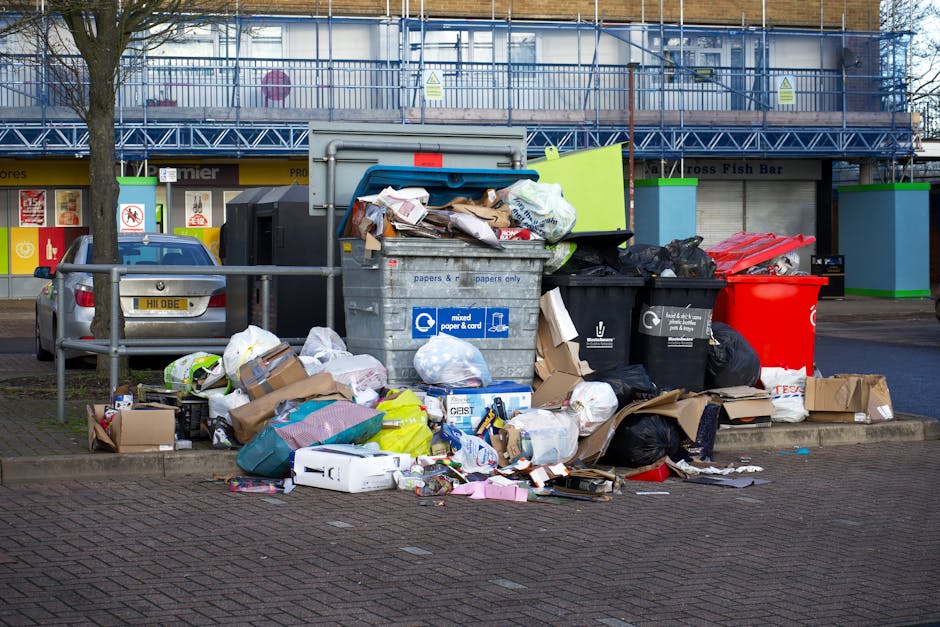
Why Hidden charges to avoid with Barnet rubbish clearance Matters
Hidden fees are not just annoying. They can change the entire value of the service. A quote that seems competitive at first can quickly become expensive if it excludes labour, loading time, disposal fees, access problems, or specific item surcharges. In a busy part of North London like Barnet, where streets, driveways, flats, and shared entrances vary so much, those extra costs can crop up fast.
It matters for another reason too: clarity builds trust. A company that explains its pricing properly is usually a company that has thought through the job. You want to know whether the price covers lifting from a top-floor flat, whether stair carries are charged separately, and whether there are extra costs for heavy or awkward items. If those things are not clear, you are taking a punt.
To be fair, some charges are perfectly legitimate. If a load turns out to be larger than described, or if access is much worse than expected, a revised price can be reasonable. The problem is not extra cost itself. The problem is surprise cost. There is a difference, and it is a big one.
When people search for rubbish clearance in Barnet, they are often trying to solve a practical mess: post-renovation debris, a move, garden waste after a weekend with the hedge trimmer, or a dead appliance sitting in the hallway making the place feel half-finished. That stress makes it easier to skip the detail. And that is where hidden charges creep in.
How Hidden charges to avoid with Barnet rubbish clearance Works
Most rubbish clearance quotes are built from a few moving parts: the volume of waste, the weight or type of items, the labour needed, the vehicle space required, the disposal route, and access conditions. A transparent company will explain these clearly. A less transparent one may advertise a low base rate and add extras later.
Here is the general pattern. You ask for a quote, describe the load, and ideally share photos. The company estimates how much space it will take and what manpower is needed. If the information matches reality, the price should stay stable. If the job changes on arrival, some adjustment may be necessary. That part is normal. What you want to avoid is a quote that quietly leaves out the bits that matter most.
One of the most common issues is vague wording. Phrases like "subject to inspection" or "from prices" are not bad on their own, but they do need follow-up. Ask what changes the final amount. Ask whether labour, fuel, and disposal are included. Ask whether VAT is included if the business charges it. Small questions. Very useful ones.
It also helps to understand the difference between price types. Some services quote by load size, some by item, and some by time on site. Each can work, but each has its own traps. A per-load price can be fair for mixed waste, while item pricing may suit furniture or appliance removal. Time-based pricing can be fine for simple access, but it becomes messy if the job takes longer than expected. Truth be told, if a quote is hard to explain, it is often hard to trust.
Key Benefits and Practical Advantages
Checking for hidden charges is not just about saving money, though that is certainly part of it. It also gives you a cleaner, calmer booking process. You know what is included. You know what could change. You know what to compare. That alone makes decisions easier.
The practical advantages are easy to feel on the day. The team turns up with the right vehicle. They know whether to collect from the front drive, the rear alley, or the third floor with no lift. There is less awkward discussion at the kerbside, less delay, and fewer crossed wires. It just runs better.
- You can compare quotes fairly, instead of comparing a full price with a partial one.
- You reduce the risk of end-of-job disputes.
- You can plan the budget more accurately, especially for move-outs or refurb jobs.
- You are more likely to choose a reputable, properly insured provider.
- You save time because the job is scoped properly from the start.
There is also a confidence benefit. When you know what questions to ask, you stop feeling like the person who is "bad at haggling" and start feeling like an informed customer. That shift matters. It changes the whole interaction.
Expert summary: the cheapest quote is not always the cheapest service. The best value usually comes from a clear quote, a realistic job description, and a provider that can explain every charge in plain English.
Who This Is For and When It Makes Sense
This advice is for anyone booking rubbish clearance in Barnet, but a few people especially benefit from it. Homeowners clearing a garage, landlords between tenancies, tenants at the end of a lease, tradespeople with leftover building waste, and small businesses emptying stockrooms all have different risks. The same applies to families doing a house clearance after a move or bereavement. In those situations, nobody wants the admin to become harder than the clearance itself.
It makes particular sense if your property has:
- limited parking or narrow access
- stairs, basements, or no lift
- mixed waste, not just one type of item
- heavy furniture or white goods
- outdoor waste that may be damp, bulky, or tangled
If you are comparing providers, it also makes sense to read their service pages carefully. For example, a company may separate furniture removal, domestic waste collection, and garden waste removal into different job types. That is not a problem. It can actually help you get a tighter quote. You can view the broader service range on the services overview and then look at the more specific options that match your load.
Sometimes the need is very straightforward. A broken wardrobe, two black bags, and an old microwave. Other times it is more awkward. A half-dismantled shed, broken fence panels, and a sofa that barely fits through the door. The more awkward the job, the more important it is to confirm charges upfront.
Step-by-Step Guidance
1. Describe the job as accurately as you can
Start with the basics: what needs removing, how much there is, where it is located, and how easy it is to access. Photos help a lot. A few wide shots are better than one close-up that hides half the pile behind a wheelie bin.
2. Ask what the quote includes
Do not just ask for the price. Ask what is included in that price. Labour, vehicle use, disposal, lifting, loading, and VAT if applicable should all be clear. If the provider cannot explain this clearly, that is already useful information.
3. Confirm likely extra charges before booking
Ask directly about common add-ons: heavy items, top-floor access, long carries, garden waste, mattress disposal, appliance removal, same-day service, and waiting time. You are not being difficult. You are being sensible.
4. Check whether the provider handles specialist items differently
Some items need more care or a different disposal route. White goods, fridges, builders' waste, and commercial waste may all be priced differently. That is normal. What matters is that you know before the van arrives. If you are dealing with appliances, for example, the appliance disposal service can be a better fit than a general clear-out.
5. Compare like for like
When comparing companies, make sure the quotes are based on the same job scope. One provider may include two loaders and disposal fees, while another lists only the collection visit. That is not an apples-to-apples comparison, and it leads people astray.
6. Get the final terms in writing
Email, text, or written quote. However it is delivered, keep a record. If there is a disagreement later, written terms are your friend. Not glamorous, but very useful.
7. Reconfirm on the day if anything has changed
If the pile has grown overnight or access has become more difficult, say so early. A quick message can prevent a frustrating surprise at the door. A little honesty at the start saves a lot of noise at the end.
Expert Tips for Better Results
One of the best ways to avoid hidden charges is to think like the person quoting the job. What would make their estimate wrong? Usually, it is not bad intent. It is missing information.
Tip one: send photos in daylight if possible. A dark hallway at 7pm can make a modest pile look tiny, and that helps nobody. If the access route includes stairs, narrow doors, or a shared entrance, show those too.
Tip two: separate what can be recycled, what is bulky, and what is just ordinary mixed waste. You do not need to sort everything perfectly, but a rough split helps with pricing and planning. If sustainability matters to you, it is worth checking the provider's approach to sorting and diversion. The recycling and sustainability page is useful for understanding how a responsible business thinks about waste.
Tip three: be cautious with "all-in" claims. Sometimes they are genuine. Sometimes they are simply vague. Ask one or two simple follow-up questions and the picture becomes clearer very quickly.
Tip four: if the job is commercial or mixed-use, mention that upfront. Shopfront clearances, stockroom waste, and trade rubbish can carry different handling needs. For example, there is a useful distinction between domestic and business jobs, and a dedicated commercial waste removal option may suit a premises cleanup far better than a standard domestic collection.
Tip five: ask what happens if the load is smaller than expected too. Fair pricing should work both ways. A company that only talks about extra charges, never possible savings, may not be thinking customer-first. It is a small clue, but still a clue.
And one tiny real-world note: if a quote sounds unusually cheap, pause. Sometimes the missing money is hiding in the "we'll see on arrival" part. That phrase has caused more raised eyebrows than it should.

Common Mistakes to Avoid
The biggest mistake is assuming the first number is the final number. It sounds obvious, but people do it all the time, especially when they are tired, moving house, or trying to clear out a messy space before guests arrive. Human, really.
- Not asking about access charges for stairs, lifts, or long carries.
- Forgetting to mention heavy or awkward items.
- Comparing quotes without checking what is included.
- Ignoring disposal fees and labour charges in the small print.
- Assuming same-day service costs the same as planned collection.
- Not clarifying whether VAT is included in the price.
- Letting the pile grow after the quote has been accepted.
Another common one is failing to distinguish between clearance and removal. A company may offer furniture removal, garden waste removal, or builders' waste removal as separate services with separate pricing logic. If you need a specific job type, use the right service page and be precise. That is not overthinking it. That is simply avoiding friction later.
A final mistake is not checking the company's broader credibility. Pricing matters, yes, but so does compliance, insurance, and general professionalism. If a provider cannot explain its practices clearly, the price probably is not the only thing that needs a second look.
Tools, Resources and Recommendations
You do not need a spreadsheet and a magnifying glass to avoid hidden charges, though some people do go that far. A few simple tools are enough.
- Photos from several angles: useful for getting an accurate quote.
- Basic room or garden measurements: helpful when estimating volume.
- A written list of items: especially for mixed loads and house clearances.
- Access notes: stairs, parking, locked gates, low ceilings, narrow paths.
- Comparison notes: keep each quote in the same format so you can compare fairly.
If you are planning a house clear-out, a dedicated service can also make the process much simpler. For larger domestic jobs, the house clearance Barnet page explains the type of support available. If it is mainly old sofas, chairs, tables, or wardrobes, the furniture removal service may be the more direct route.
For garden jobs, especially after a heavy pruning session or end-of-season tidy, the garden waste removal service is worth a look. It can be a cleaner fit than mixing outdoor waste into a general booking.
One more practical recommendation: read the pricing page before booking. A transparent pricing page should tell you how the company thinks about load size, job complexity, and additional costs. The pricing and quotes page is the obvious place to start if you want the commercial side explained plainly.
Law, Compliance, Standards, or Best Practice
When rubbish is being removed, it is not only about convenience. There are compliance and best-practice issues too. In the UK, waste must be handled by responsible operators, and customers should not be left guessing whether the waste is being disposed of properly. You do not need to become a legal expert, but you do want a provider who can explain its waste handling approach in plain language.
A sensible check is whether the company can speak confidently about its carrier licence and compliance arrangements. That does not guarantee perfection, of course, but it does show the business understands its responsibilities. The waste carrier licence and compliance page is useful for understanding this side of the service.
Insurance is another part of the picture. If a team is carrying large furniture through tight halls, or removing waste from a busy property, you want confidence that proper cover is in place. The insurance and safety information helps here. It is not about being fussy. It is about protecting yourself if something unexpected happens.
Best practice also includes clear terms, secure payment handling, and honest communication. Those things sound basic because they are. Yet basic is exactly what prevents most disputes.
If you are using the service for a home, be mindful of access and neighbour impact too. For example, a collection in a narrow Barnet street at school-run time can be more awkward than it looks on paper. A reliable provider should factor that in and discuss timing sensibly. Common sense matters more than grand promises.
Options, Methods, or Comparison Table
Not every clearance needs the same approach. Sometimes a single-item collection is enough. Other times you want a fuller service with sorting, loading, and disposal included. Here is a simple comparison to help you spot where hidden charges are most likely to appear.
| Option | Best for | Typical risk of hidden charges | What to confirm |
|---|---|---|---|
| Item-based collection | One or two bulky items | Medium | Stairs, dismantling, appliance type, labour |
| Load-based clearance | Mixed household or garden waste | Medium to high | Exact volume, access, disposal category, VAT |
| Time-based service | Simple access and predictable jobs | High if the job changes | Minimum charge, waiting time, overrun policy |
| Dedicated specialist service | Furniture, white goods, builders' waste, commercial waste | Lower if scope is clear | What is included, restricted items, uplift method |
The main lesson is simple. The more specific the job, the easier it is to price accurately. If your waste is mainly construction debris, for example, a builders' waste service can be more appropriate than a generic clearance. Likewise, a shopfront tidy-up is not the same as a front-room declutter. Matching the job to the method reduces the chance of extra fees later on.
Case Study or Real-World Example
Picture a typical Friday afternoon in Barnet. A homeowner is preparing for carpet fitters the next day and needs a sofa, two armchairs, a broken chest of drawers, and some old boxes removed. The first quote looks attractive because it is low. But when the customer asks a few questions, it turns out the price does not include two flights of stairs or the removal of a heavy mattress from the loft. Suddenly the "cheap" option is not so cheap.
Now compare that with a second provider that asks for photos, checks access, confirms what is included, and explains how the price changes if the load is heavier than described. That quote might be slightly higher at first glance. Yet it is more useful, more honest, and far less likely to change at the door. Which one would most people prefer once the day arrives and the hallway is full of dust sheets and moving boxes?
We have seen this pattern often enough to know the lesson. Clear information at the start prevents awkward conversations at the end. It also tends to make the actual clearance quicker, because everyone knows what is happening. No one is improvising in the doorway. No one is guessing. And that calm feeling, oddly enough, is worth a lot.
If the job grows beyond a simple clearance and starts looking like a full property emptying, the more structured option is usually the smarter one. That is where house clearance or a specific service page can help set expectations before anyone lifts a thing.
Practical Checklist
Use this checklist before you confirm any Barnet rubbish clearance booking.
- Have I described the waste clearly and honestly?
- Have I sent photos from several angles?
- Do I know whether the quote includes labour, loading, and disposal?
- Have I asked about stairs, parking, and long carry distances?
- Have I checked for extra charges on heavy, bulky, or specialist items?
- Do I know whether VAT is included?
- Have I confirmed the provider's compliance and insurance approach?
- Have I compared quotes on the same basis?
- Is the final price or pricing method written down?
- Do I understand what happens if the load changes on the day?
If you can tick all or most of those off, you are in a much stronger position. Not perfect, maybe. But a lot safer than booking on instinct alone.
Conclusion
Hidden charges to avoid with Barnet rubbish clearance are usually less about trickery and more about incomplete communication. The fix is straightforward: ask better questions, share better information, and compare quotes properly. When you do that, the service becomes easier to trust and easier to budget for. That is good for your wallet, but also for your nerves.
Whether you are clearing a home, emptying a garden, or sorting out a business space, the same rule applies. Clarity beats guesswork every time. A fair provider should welcome your questions, explain the numbers, and make the process feel tidy from start to finish. That is the standard worth looking for.
Get a free quote today and see how much you can save.
And if you take only one thing from this guide, let it be this: the best rubbish clearance is the one that ends without any surprise at all. Simple as that.